
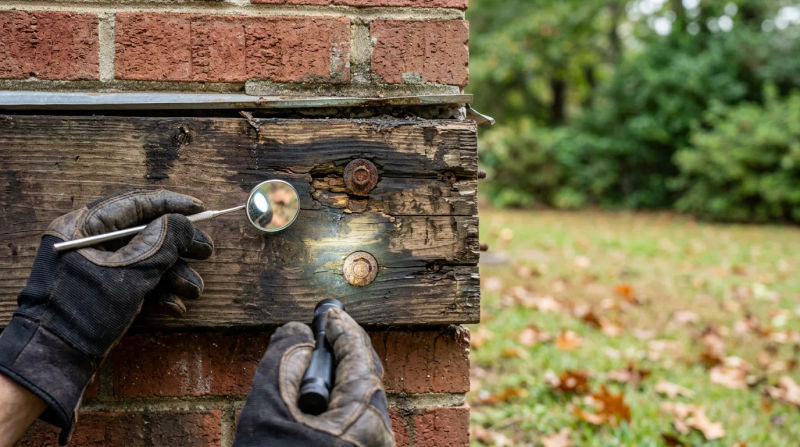
As the crisp fall air settles over Prattville, many of us look forward to spending more time outdoors, enjoying cookouts and quiet evenings on our decks. With October gatherings planned, your deck will likely see more foot traffic. This is often when homeowners start noticing things that went unnoticed during the busy summer months - a new squeak, a slight bounce, or a feeling that something just isn't right. More often than not, these subtle clues point to the most critical, yet frequently overlooked, structural component of your deck: the deck ledger board.
My name is Daniel Mercer, and as a Lead Framing Carpenter with over 15 years of experience in the River Region, I've seen firsthand how vital this single board is. The ledger is the piece of lumber that fastens the deck directly to your house, transferring a significant portion of the deck's load to the home's foundation. When it's compromised, the entire structure is at risk. Especially here in Prattville, where our hot, humid summers and frequent wet/dry cycles can accelerate wear and tear, a fall inspection is crucial for safety.
Common Signs and Symptoms
Identifying potential issues early can prevent a minor repair from becoming a major structural failure. Our trained crews have a standardized process for inspections, and these are the key indicators we look for. Here are some of the most common deck ledger failure signs Prattville homeowners should be aware of:
- A Visible Gap: This is the most alarming sign. If you see any space opening up between the deck and your house, you have a situation where the Prattville deck pulling away from house is already in progress. This indicates a severe failure of the fasteners, and the deck should not be used until it's professionally inspected.
- A Spongy or Bouncy Feeling: Does the deck feel unusually springy when you walk on it, especially near the house? This suggests the connection is no longer rigid and the ledger board is flexing or has pulled away slightly, losing its firm attachment.
- Water Stains, Mold, or Rot: Look closely at the siding directly below the deck and at the ledger board itself. Dark stains, green or black patches of mold, or softened, crumbling wood are clear signs of water intrusion. This is the primary enemy of any ledger board.
- Loose or Corroded Fasteners: Get a close look at the bolts or screws holding the ledger to the house. Do you see rust stains weeping down from the bolt heads? Are any nails or screws backing out? Corroded fasteners have lost their structural integrity and can no longer be trusted to carry the load.
- Creaking or Popping Sounds: While some minor noise is normal, loud creaks or pops originating from the house connection when the deck is walked on can signal that fasteners are loose and the ledger is shifting under load. The cooler, drier fall air can cause wood to contract slightly, making these loose connections even more noticeable.
- A Sagging Deck Surface: Use a level or just your eyes to see if the deck appears to be sloping away from the house. A sag indicates that the ledger connection is failing to support its share of the weight, causing the deck to droop.
- Missing or Improper Flashing: Look for a metal or vinyl L-shaped strip that should be tucked under the siding and draped over the top of the ledger board. This is called flashing, and its job is to direct water away. If it's missing, damaged, or installed incorrectly, water is almost certainly getting behind the board.
What Causes This Problem
Understanding the root cause helps in appreciating the importance of a proper repair. In my experience, ledger failures are rarely sudden; they are the result of gradual issues that have been developing for years.
First and foremost is improper installation. Many decks, especially older ones, were attached with nails instead of the required lag screws or through-bolts. Nails simply don't have the shear strength or withdrawal resistance to support a deck safely over the long term. Even when bolts are used, they may be incorrectly spaced or of insufficient size.
Water intrusion is the biggest culprit in our climate. Without proper flashing, rainwater runs down the side of the house and gets trapped between the deck ledger board and the home's framing. This creates a perfect environment for rot to set in, compromising both the ledger and the critical rim joist of your house. This is a particular concern for the many classic 1950s Ranch homes in Prattville. These structures, often built with wood siding, are highly susceptible to moisture damage at the band joist if a deck was added later without meticulous attention to water management.
Finally, the simple passage of time and our environment play a role. The constant expansion and contraction of wood through Prattville’s seasons can slowly work fasteners loose. The high humidity promotes corrosion, weakening the very bolts that hold everything together. A deck is not a lifetime structure without proper maintenance.
When to Call a Professional
Some home maintenance tasks are great for a weekend DIY project, but a ledger board repair is not one of them. This is a structural issue that directly impacts your family's safety. However, a homeowner can and should perform an initial inspection.
Here's how to check deck ledger bolts Prattville style: Visually inspect every bolt head for rust or signs of water staining around it. Take a screwdriver and gently poke the wood around the fasteners. If it feels soft or spongy, that's a sign of rot. You can also take a wrench and check if the bolts are snug. If you can easily turn them by hand, they are too loose. Be careful not to over-tighten them, as this can crush the wood fibers and reduce their holding power.
You should call an experienced professional immediately if you observe:
- Any gap between the deck and the house.
- Significant bounciness or sagging.
- Widespread rot on the ledger or the house itself.
Our technicians are trained to safely support the deck's weight before any repairs begin. The process typically involves removing the existing ledger, inspecting and repairing any damage to the house's framing, and installing a new, pressure-treated deck ledger board according to modern building codes. This includes using properly sized and spaced structural hardware and, most importantly, installing a comprehensive flashing system to prevent future water damage. This is a complex job that requires a deep understanding of structural loads and building science.
Conclusion
Your deck's connection to your home is its most critical point, and the health of the ledger board is paramount to its safety. Remember that water is the primary enemy, and proper flashing is its only defense. The small signs you might notice this fall - a little bounce, a creaking sound - are often the early warnings of a much larger problem developing out of sight.
Don't wait for a small issue to become a catastrophic failure. Taking a few minutes to inspect your deck's ledger connection this season can provide peace of mind and ensure it remains a safe place for your family to enjoy for years to come.
If you notice any of these signs, contact a local carpenter for a professional inspection.